
Brand assets
Logo files in vector, brand color palette, typography references and any required visual elements.
- Logo (.ai / .svg)
- Brand color palette
- Typography references
From kraft mailers to retail boxes with window cutouts, packaging is designed alongside the product — so brand presentation, drop protection and carton efficiency land together.
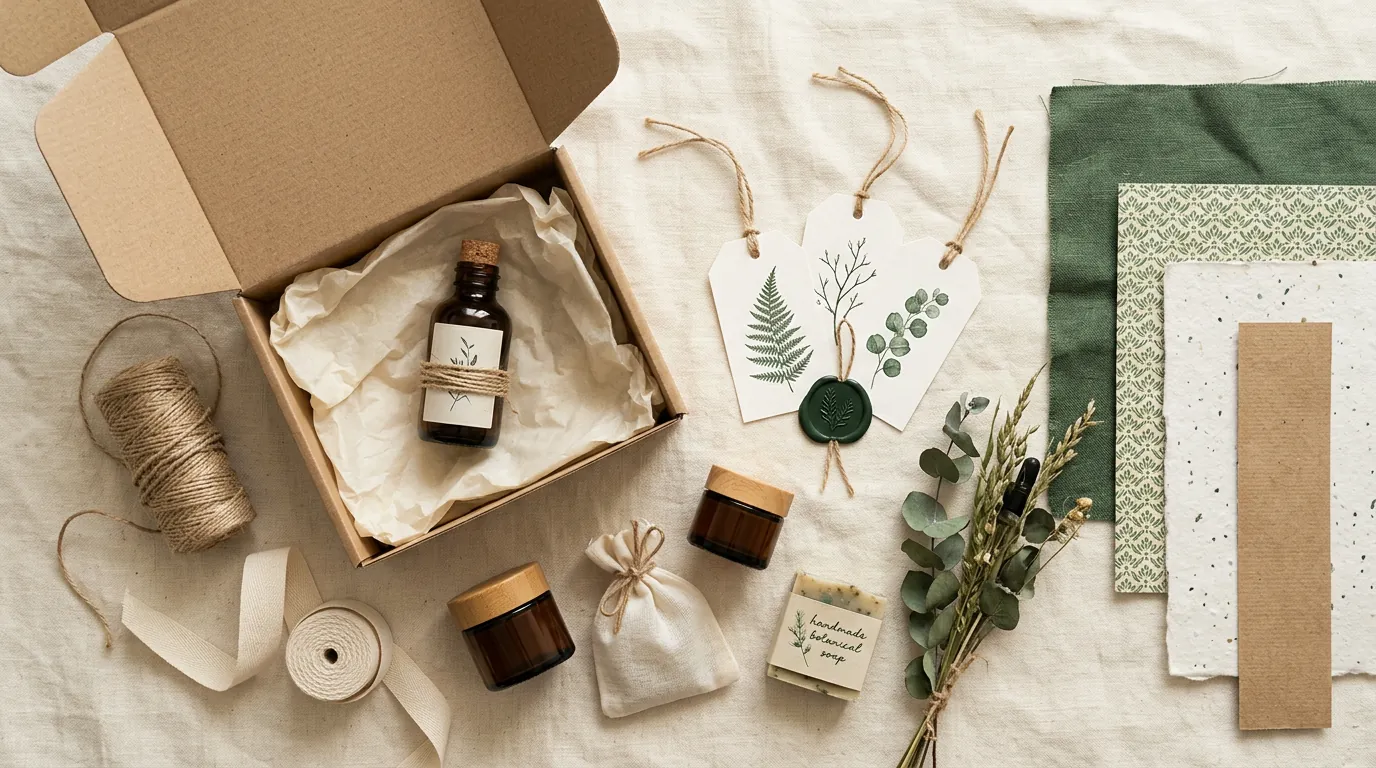
Packaging styles tuned to brand and category — from minimalist sustainable kraft to retail-ready box-and-window.
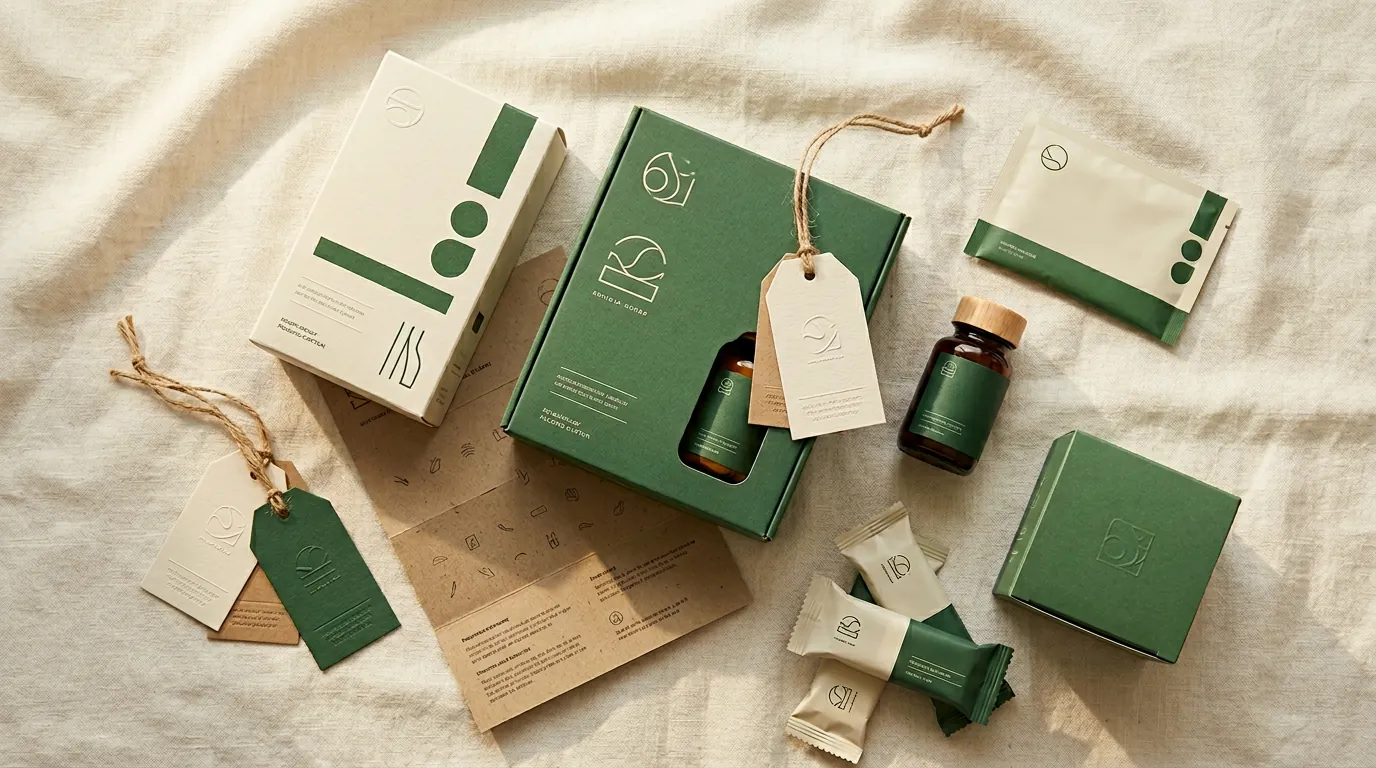

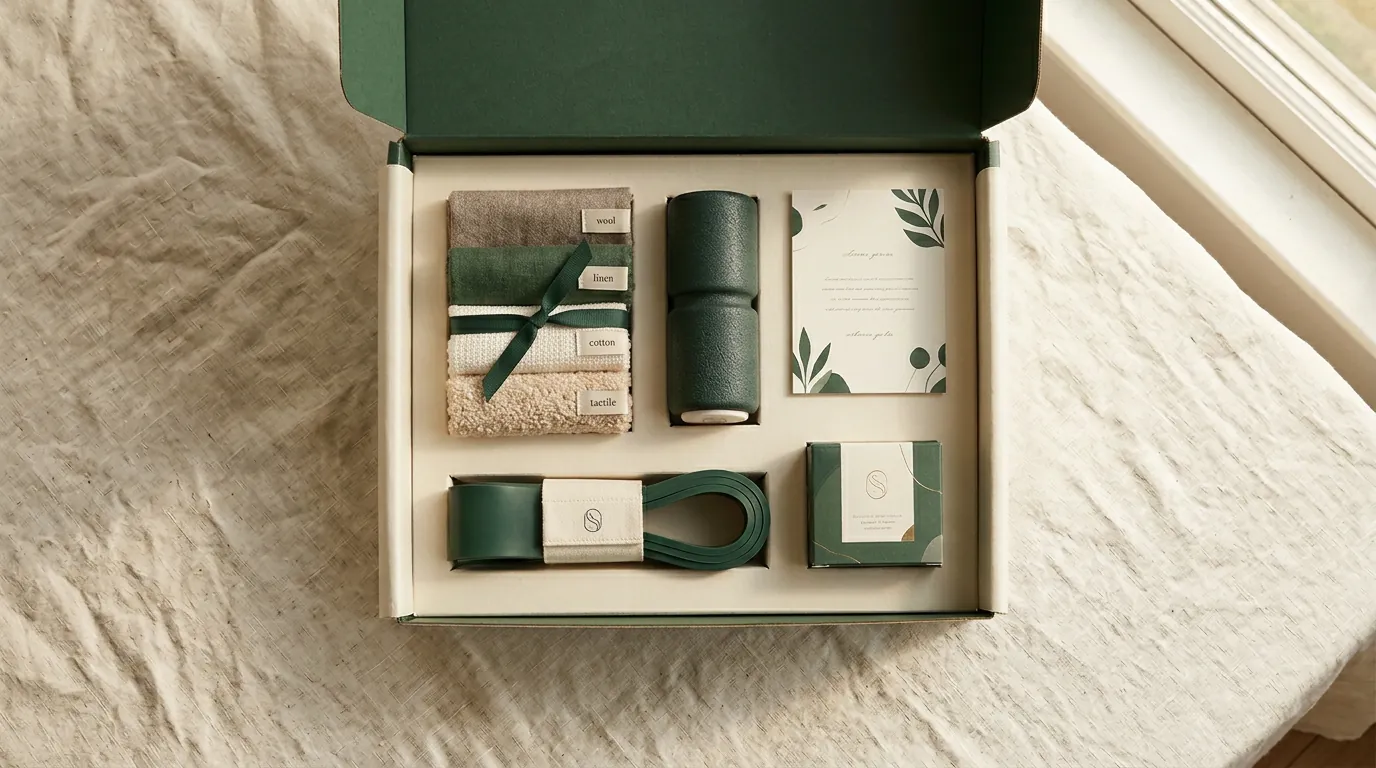
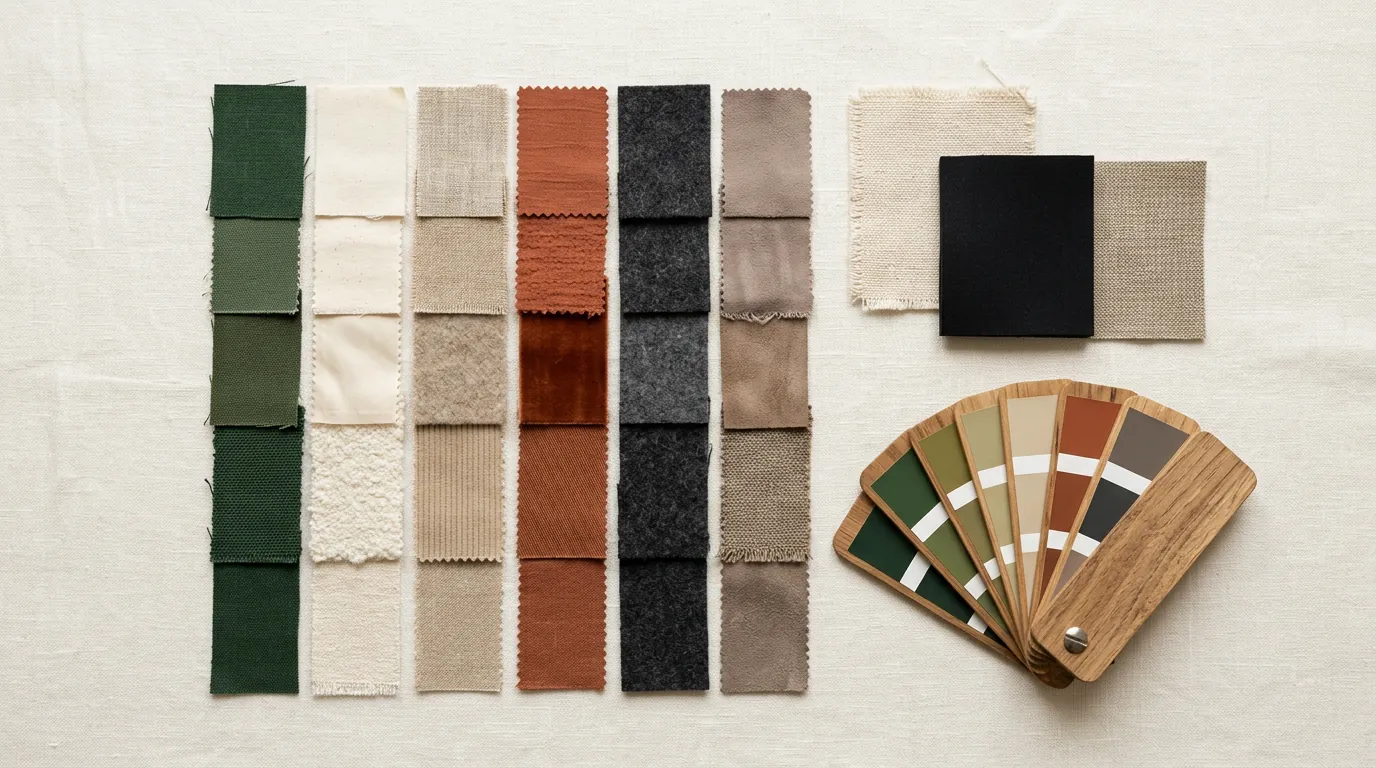
The faster these inputs land, the faster the first concept comes back. Missing assets are the most common cause of packaging timeline drift.
Logo files in vector, brand color palette, typography references and any required visual elements.
Product name, primary claims, ingredient lists and translations for each destination market.
Required certifications, recycling marks, country-of-origin and any regulated icons or warnings.
Preferred form factor, retail vs. ecommerce intent, window cutouts and any inner-tray needs.
Every concept is reviewed alongside the product sample on a real warehouse line. Carton dimensions, drop performance and barcode scan-rate are validated before bulk so the unboxing experience and the freight reality stay aligned.
Each step is a written sign-off — concept, dieline, sample, drop test, bulk.
Two visual directions delivered as flat mockups based on your brief. We pick one to move forward.
Production-ready dielines, artwork files and color callouts shared for review and approval.
Physical sample produced and shipped. Photos and video of the unboxing experience shared with the sample.
Sample carton drop-tested with the product inside. Barcodes validated against scanner standards.
Bulk packaging produced in parallel with the product. Pre-shipment inspection covers both.
Brand assets, target market, preferred box form and quantity range — that's enough to start. The team replies with a packaging plan and timeline.